Written on December 19, 2025
Share this article with curious people.
“You must take this form for me, this form that I embrace with my soul, and these patches of color on canvas. And you, and so many people, are one… are one. This is how I will preserve you in so many, many people. What is wrong with that? Can this be against you? No… No! This is not you. You are alien. You are distant. You are more and more alien to the one I know. My vision of you is fading. But at the same time, I see you more and more clearly. How can this be? But it is not you. So it is not true that I preserve you in so many people, in so many souls.”
It seems to me that, when a person likes a work of art, it says far more about the person than the art. Sure, art may be better or worse according to its intended genres. But when the style and content of the work resonate with a person, it says a lot about what they value in life, what they don’t, and what they’re trying to understand better.
So I’m not sure what it says about me that I really like the movie Our God’s Brother (1997). But I do think this film is a cinematic masterpiece, at least from a layman’s perspective. And I think the atypical questions it raises are fundamental, and the answers it proposes are interesting. (Despite the title, the first two acts are not religious, and you can skip the third.)
It was originally written as a play by a young Polish philosopher in the 1940s named Karol Wojtyła. He based it on the true story of Adam Chmielowski, a Polish painter of the late 19th century, whose philosophical questions about human experience mirrored and influenced Wojtyła’s own. It’s split into three acts. The first act introduces us to the characters, and the internal conflict Adam is having. The second act explores this conflict and its dramatic resolution. The third act follows its aftermath, and explores the three solutions proposed to his internal conflict.
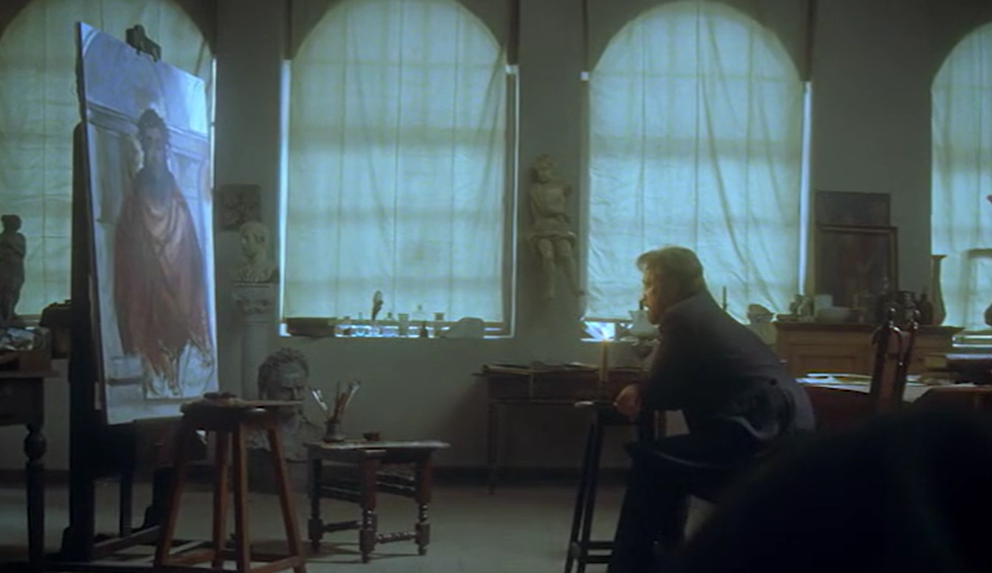
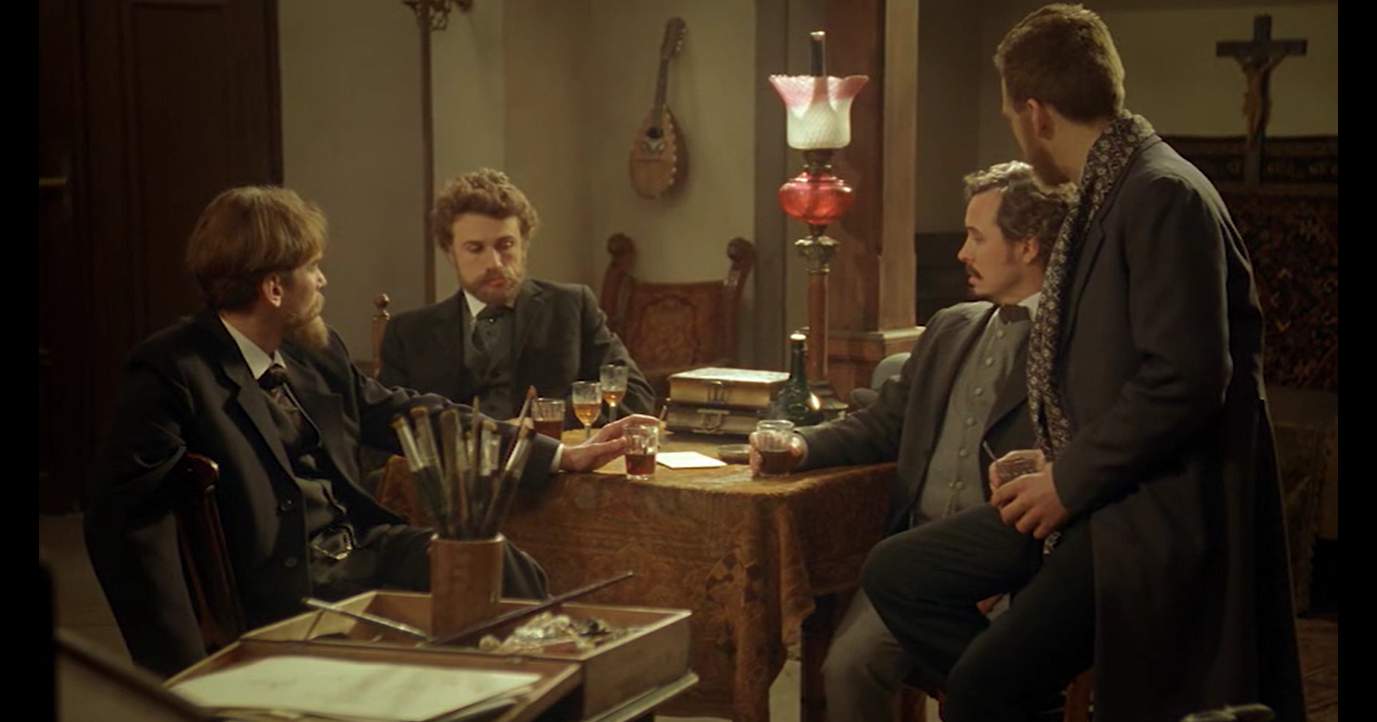
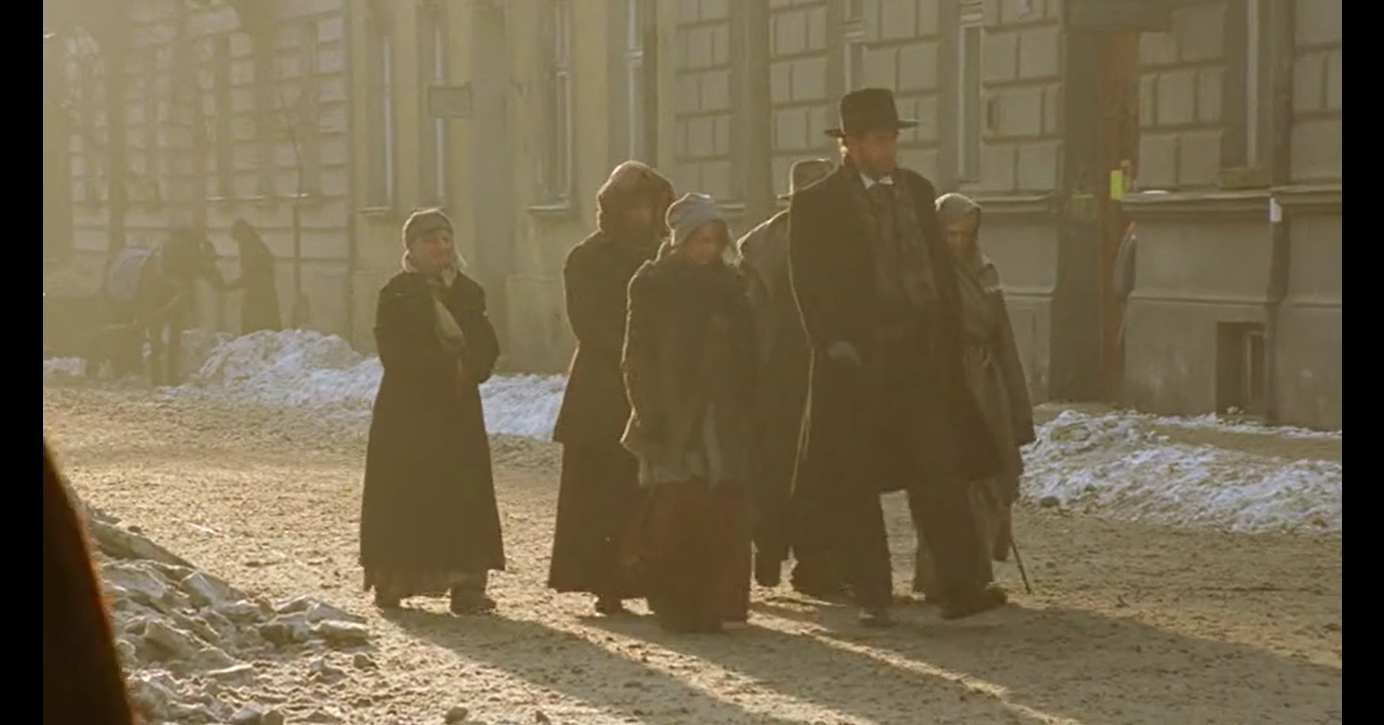
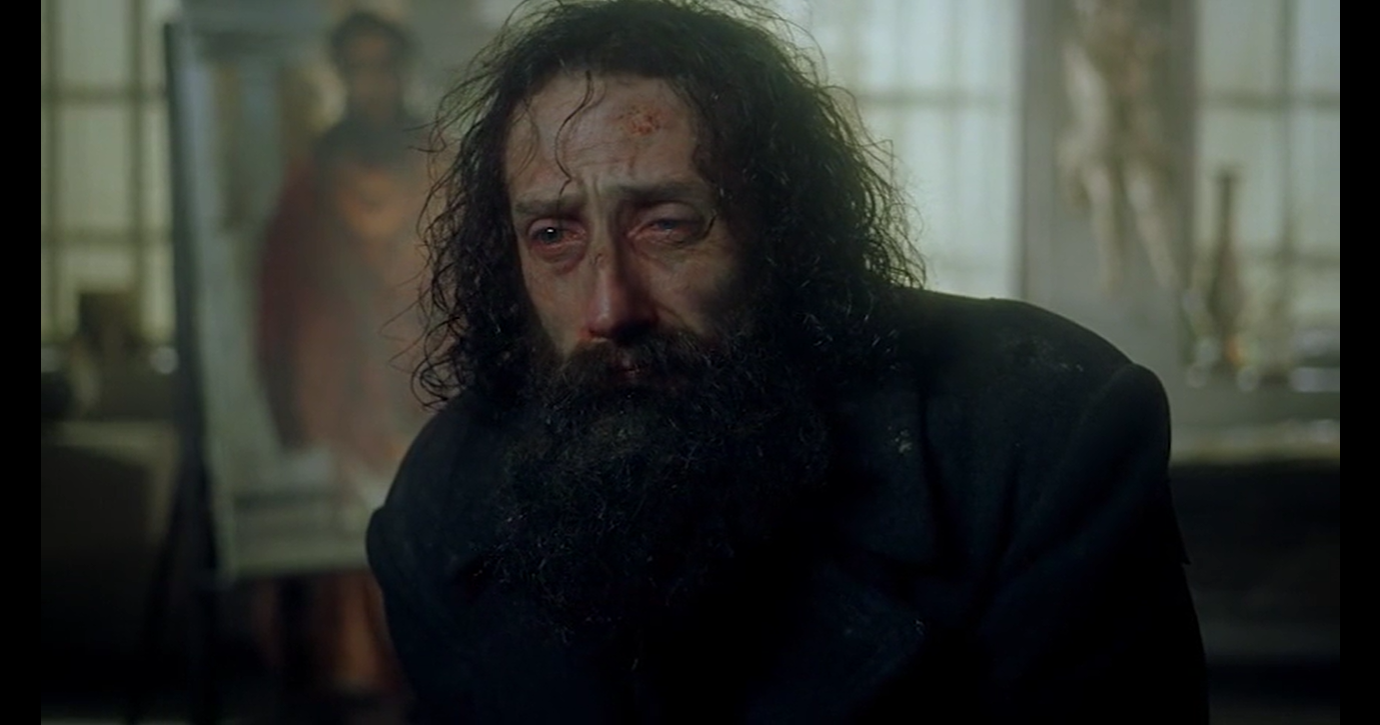
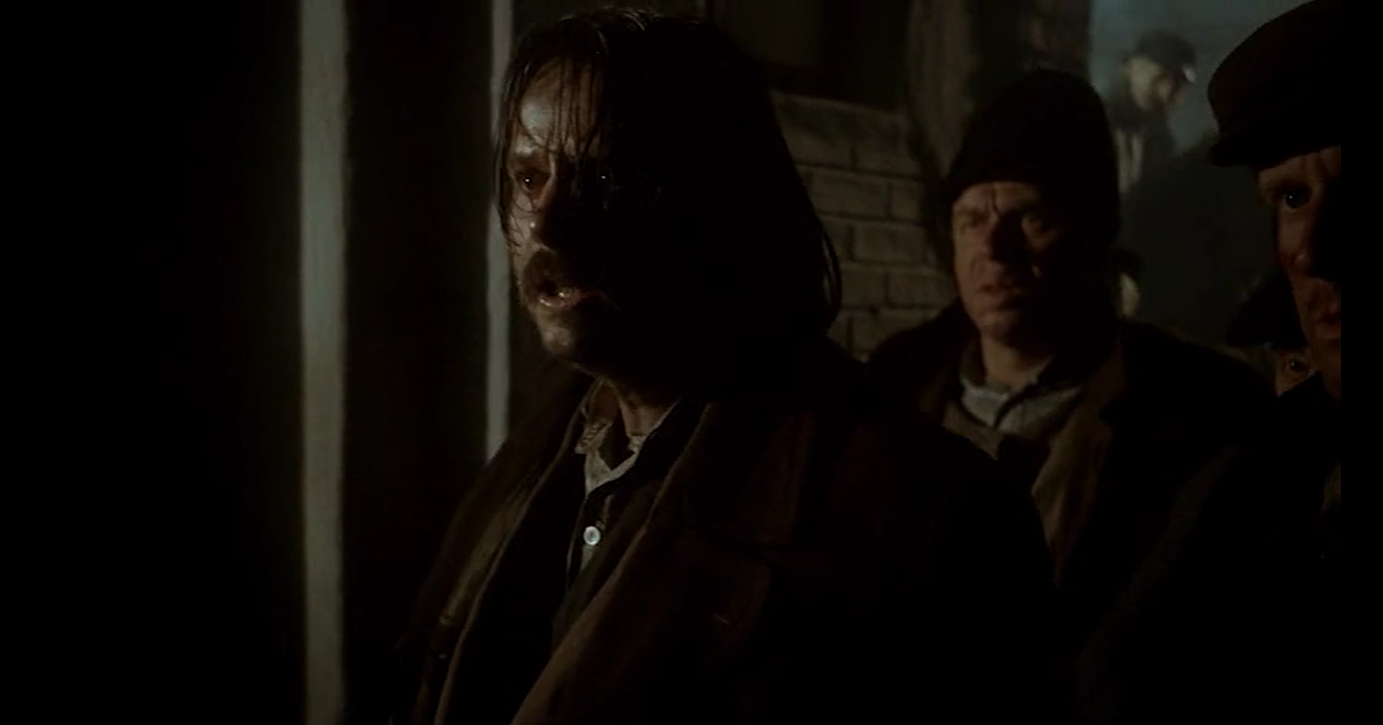
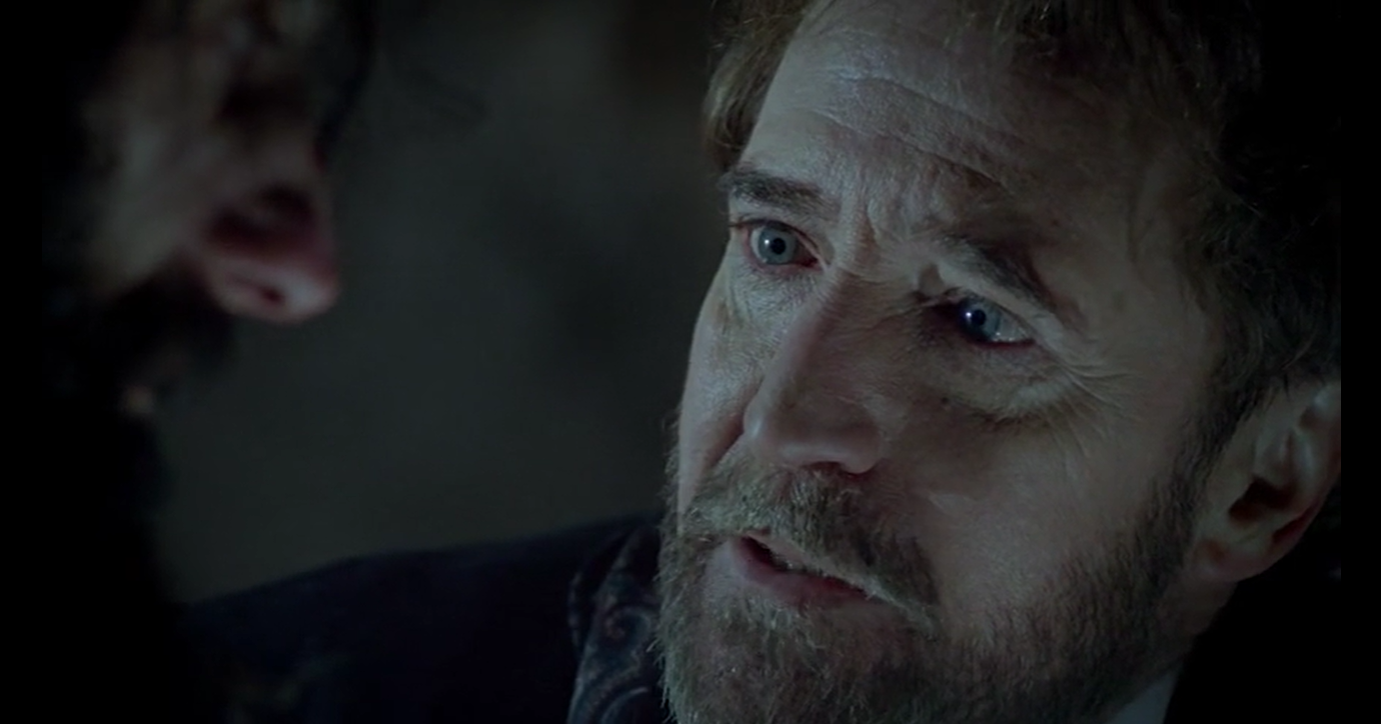
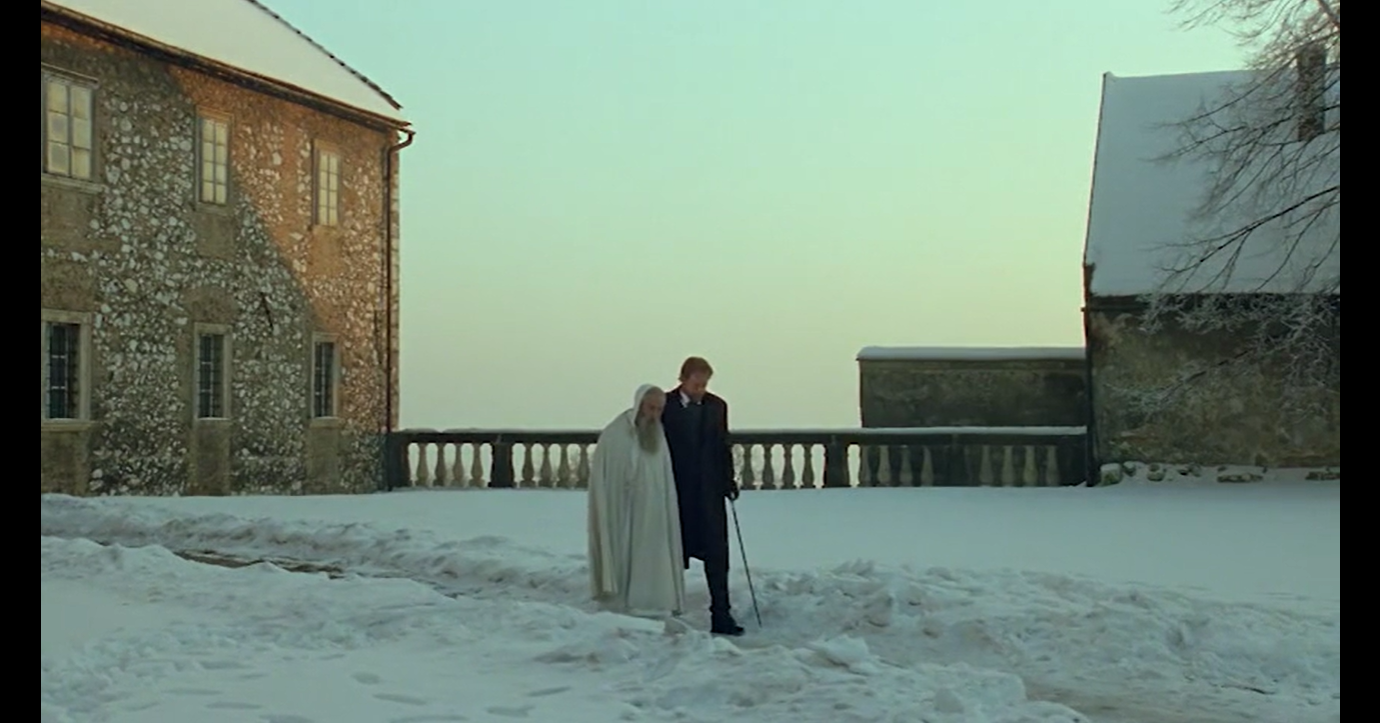
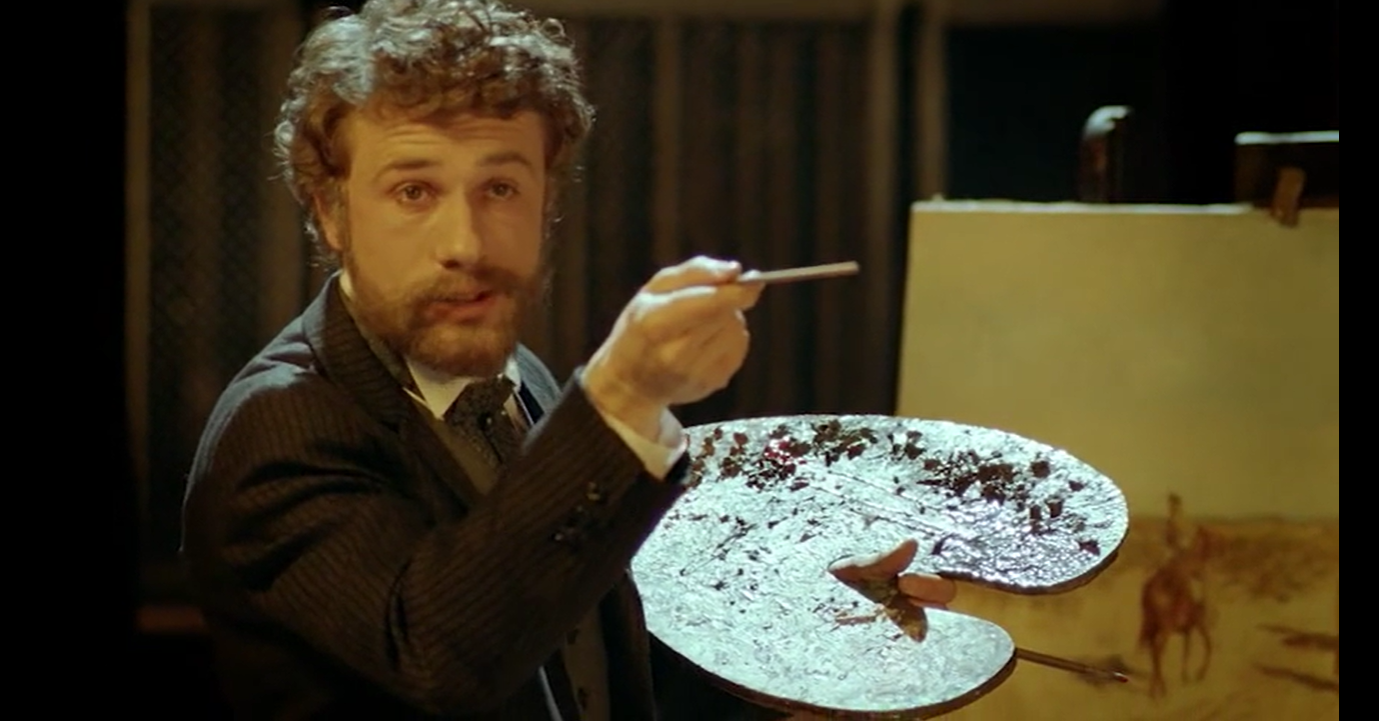
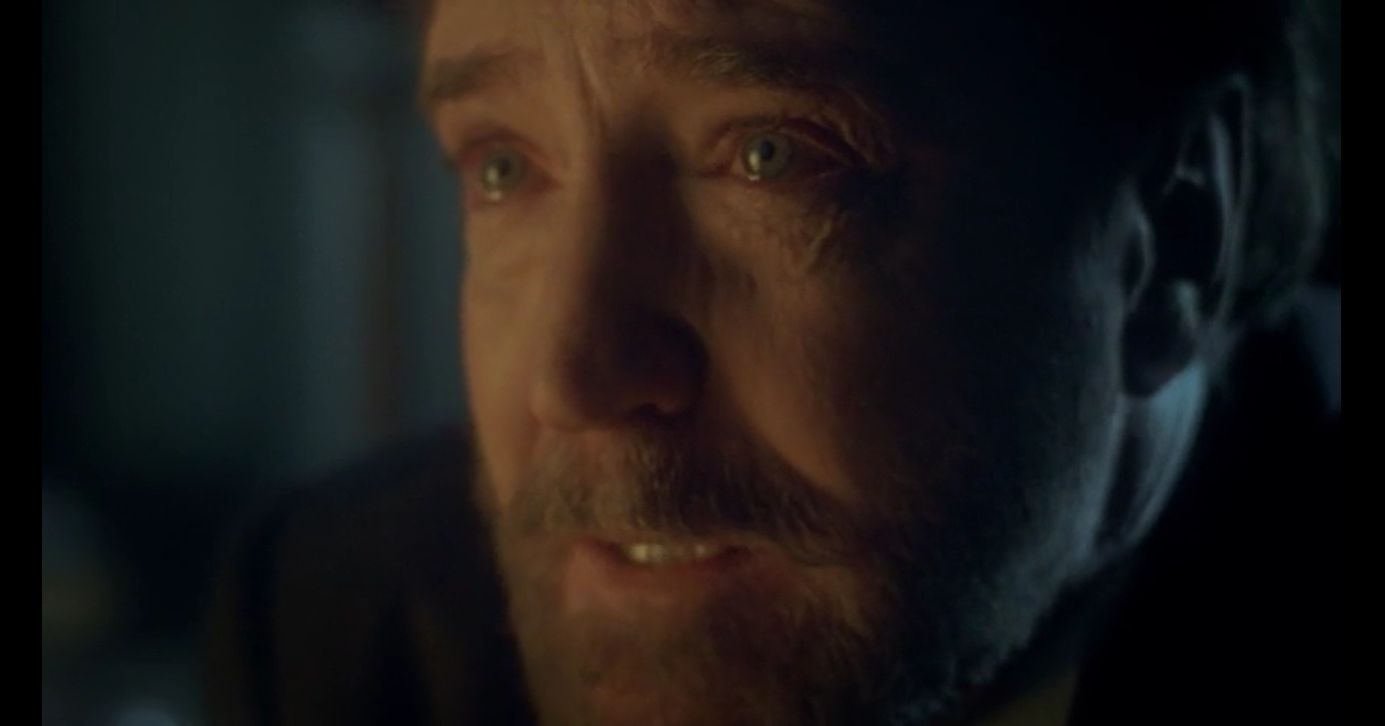
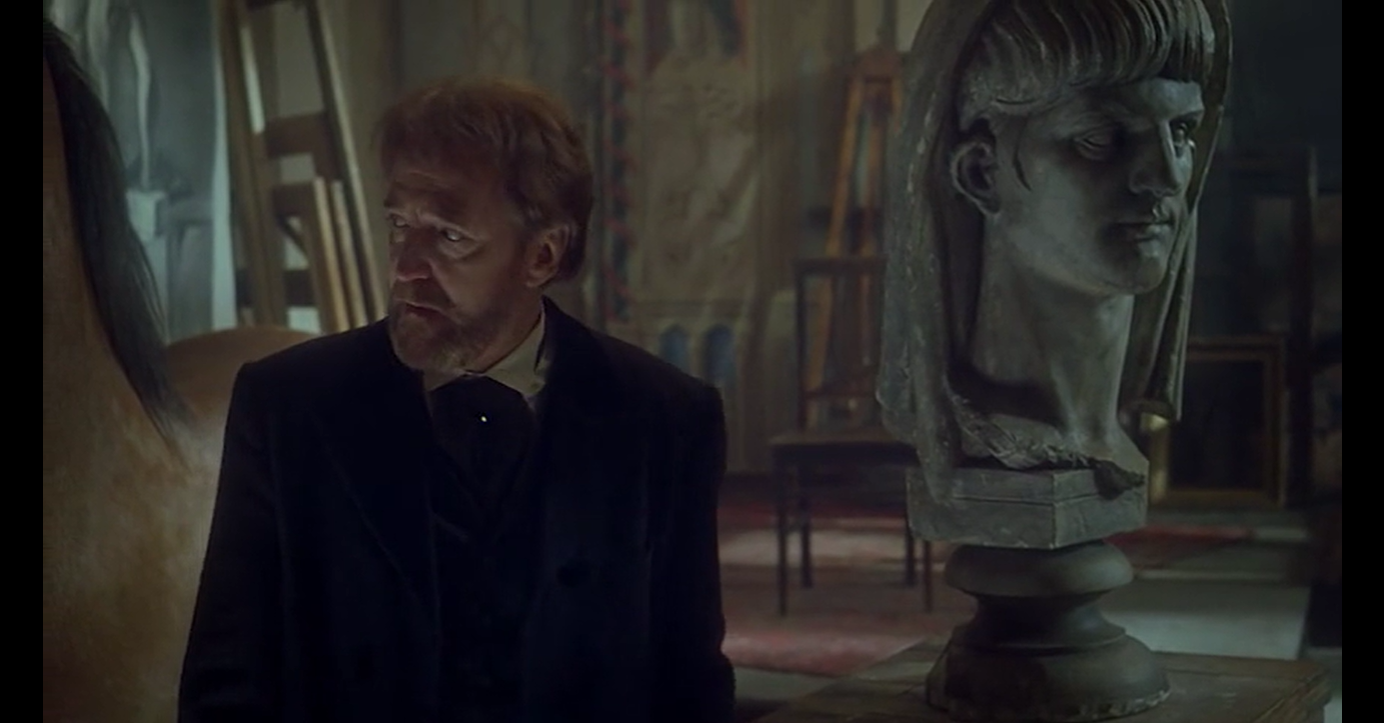
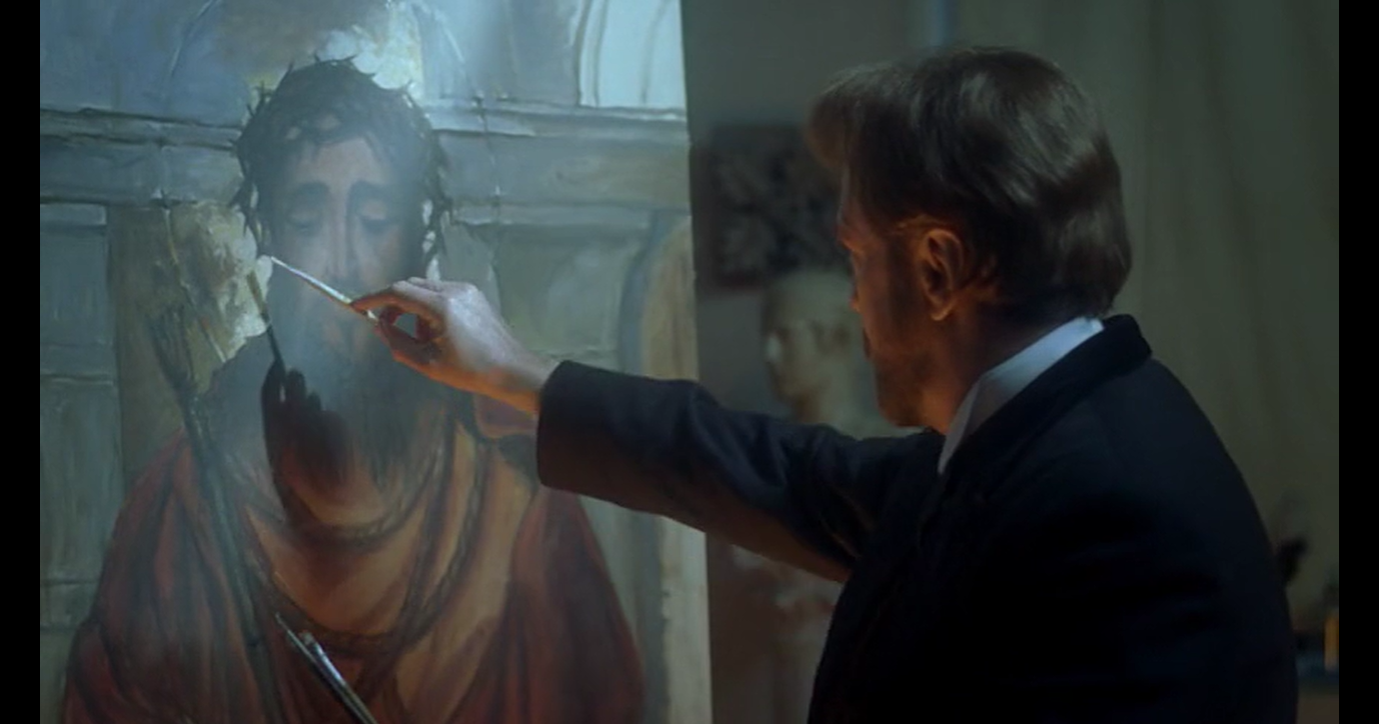
I cannot go into detail about what seems so perfect to me about its cinematography, since I am untrained in that art form, and don’t know its concepts or terminology well. I hope it’s enough for me to say that the colors and lighting, the camera angles and cuts, the music and silence, the clothing and set decor, the overall aesthetic, seem to me artistically harmonious and fitting to the story. At the end of this article, I’ve included some of the most beautiful or representative still frames I could find from the movie.
You can find it on YouTube, as the second result for the search “our god’s brother” with a duration of 1:59:44. Not that I support piracy (nor was I the one who uploaded it), but if the copyright owners haven’t considered it worth their time or best interest to have it taken down for as long as it’s been up, then it seems possible that they’re implicitly giving permission for anyone to view it in the meantime. Perhaps it’s intentional, as a sort of free advertising. Caution: there is a gory amputation scene very early, from 6:41 to 7:28. Skip it if you have a weak stomach!
The purpose of Beauty
“I wasn’t aware of the danger. How long did it last? I don’t know. The Russians, tired of shooting, finally stopped. I was becoming bored, wondering when someone would come up to fetch me. How much longer will God’s patience bear human stupidity? I outpaced death, but I saw beautiful images only. I had no thoughts of eternity or my soul. I only thought about the poetic and heroic side of the thing. Only a simple woman had properly assessed the real value of things. She considered the redemption of my soul. It was with joy that I welcomed the idea of calling for a priest. Immediately, I imagined how beautiful that was going to be: a dying insurgent, and an old capuchin with a long white beard. How beautiful I deemed it. An indecently obese man appeared. His massive figure, not in the least soulful, was so distant from what I had imagined, that I didn’t want to confess, or even to speak to him.”
Throughout the whole movie, there seems to be an implied sense of almost a romantic concept of beauty, that an ideal moment does in fact exist, or perhaps an ideal series of moments, and that these moments ought to be pursued actively. The above quote spells it out explicitly within the first 10 minutes, setting the tone for the rest of the movie.
It does seem to me that moments can in fact be more or less perfect, and to the degree that it is perfect, it advances us further on the path to a perfect, fitting and beautiful conclusion to our lives, the fulfillment of some kind of harmonious and mysterious destiny.
For a while now, I have been trying to chase those moments without fear, knowing that we only have one life to live. And I lately gauge the seeming perfection of a moment as a sign or indication as to whether it will lead to a more or less beautiful destiny. I suppose this makes me a romantic, by definition.
The nature of Art
“Have you ever considered, Max, that we can transform little, ridiculously little, apart from ourselves; as artists, we merely try to understand and reflect in our work, an unexpected insight into ourself, which, slowly transformed, has suddenly realized its own transformation. Then people come along, take an interest in the work of art, and, through that interest, engage the artist, who can so change his skin like a chameleon. They need this kind of engagement to transcend themselves. It does not cost them much.”
This is the beginning of a dialogue early on, where two characters debate with each other about the nature and purpose of art. It continues as a few more characters join and interject their opinions. But Adam’s recent interest in helping the homeless becomes the new topic of discussion, until the two topics converge in the end.
This resonates strongly within me. At a very fundamental, human level, I have had such unique experiences, which cannot be recreated with precise accuracy, yet which have invoked in me such powerful and intense emotions, that I can’t help but long to recreate that same experience within the souls of others.
For instance, a month or so ago, I was slowly walking down a tired street on a snowy autumn evening. The night was dimly lit by a few scattered street lamps, which gave a hint to some of the nearby snow as it floated down. The houses were all napping, tucked into the shadows, and I was listening to Shepherd (Piano Version) by Joep Beving. As I noticed the wind brushing the leaves, I was startled by a tear and half an epiphany.
Because of that experience, I began learning that piano piece, and need just another month or two before I can play it for others, even though I have no one to play it for, and nowhere to play it. But it has become almost a need now, to recreate that experience, that harmonious beauty, within the soul of anyone else, by whatever means I can learn. This pushes me to find any time I can to practice it on piano. Maybe I should learn cinematography, too…
Being misunderstood
“I cannot find my way. It seems to me that all this is a continuous running away […] in a certain sense from oneself. But no, after all, Max is himself. He lives in the same world as every one of us. Yet Max does not have to run away. He has no sense of being chased. So this does not mean running away from oneself.”
It’s hard to find a single quote that epitomizes this theme, but it’s thoroughly spread throughout the film, from the very beginning to the very end.
At every turn, Adam expresses his thoughts in the native language of his heart, which happens to be soaked in symbolism and imagery, in philosophical poetry. This fact itself does not pose any difficulty for the like-minded individuals he has surrounded himself with, who speak similarly.
But the moment he tries to explain his internal conflict, or even the fact that he has one, everyone gets confused. Not a single soul in the movie understands him when he poses the questions that are internally posed to him, or when he even hints at who is posing them to him. To them, it’s as if he’s had a stroke is suddenly suffering aphasia. Or rather, it’s as if he has suddenly revealed to them a terrifying side of his identity, one which puts their own identity in danger, so that they must end the conversation and flee to safety.
Internal conflict
“There are things that have not yet matured. You are still really on the other side. But something is pulling you over. […] But I am afraid that you will go blind. When you are deprived of your music, and this does not mature, it will be very dark. I do not know how long that darkness will last.”
A strong current throughout the movie is the internal conflict Adam has. He is wrestling with questions, some of which he can’t even make out yet, but he knows they are there. Some of the art connoisseurs who examine his artwork notice and discuss, through his art, an intense tension within the artist.
There are specifics to Adam’s particular conflict. He is trying to figure out what he should do, since his career as a soldier failed, and his career as an artist is interrupted by an urgent sense of moral obligation to help the poor of his town, who live in a cold homeless shelter in squalor and hunger.
The movie visualizes that tension increasing over time, as Adam tries to rush his inner conflict towards a resolution, with detrimental and explosive results. Later, in the third act, he advises a young man to avoid the same mistake he made, but rather to try to reconcile the conflicting thoughts within him slowly and patiently.
As an aside, a Catholic deacon named Steven D. Greydanus has written an article about this film, where he states that Adam suffers from schizophrenia, as if it were a fact. Other articles have made this same claim, and they all seem to have gotten the idea from him. But there is no good reason for this strange armchair diagnosis. First, Adam’s self-dialogue is obviously a theatrical device similar to an apostrophe, allowing Adam to engage his conflict verbally for the audience’s sake. In the original play, the other character he spoke to and spoke for was named Reason, further shutting down that bizarre diagnosis. And finally, Catholics should easily be able to identify this Reason character as the devil trying to dissuade Adam from helping the poor.
Helping others
Did what just happened here not teach you anything? What happened was symbolic. There’s a great mass of people that wants to have, it simply wants to take. What will you do if it needs more? Let’s count on that force of anger. Let’s assume that by that force of anger, they’re able to lift themselves up, and take possession of many goods. Man’s poverty is deeper than the resources of all those goods you are talking about. All those goods man can aspire to by the force of his anger.
The most fundamental question of human social experience is how to relate to others, and how to help others in a general sense, and in the more specific senses that each individual’s context and situation allows, or even demands.
To the artist (except Max, a mere utilitarian capitalist), this would mean the question of how to inspire beauty in others, how to recreate a positive experience that moves other souls toward a meaningful destiny.
Yet the question still remains of what to do to help the poor and needy. I won’t spoil the movie’s answer.
Death and Conflagration
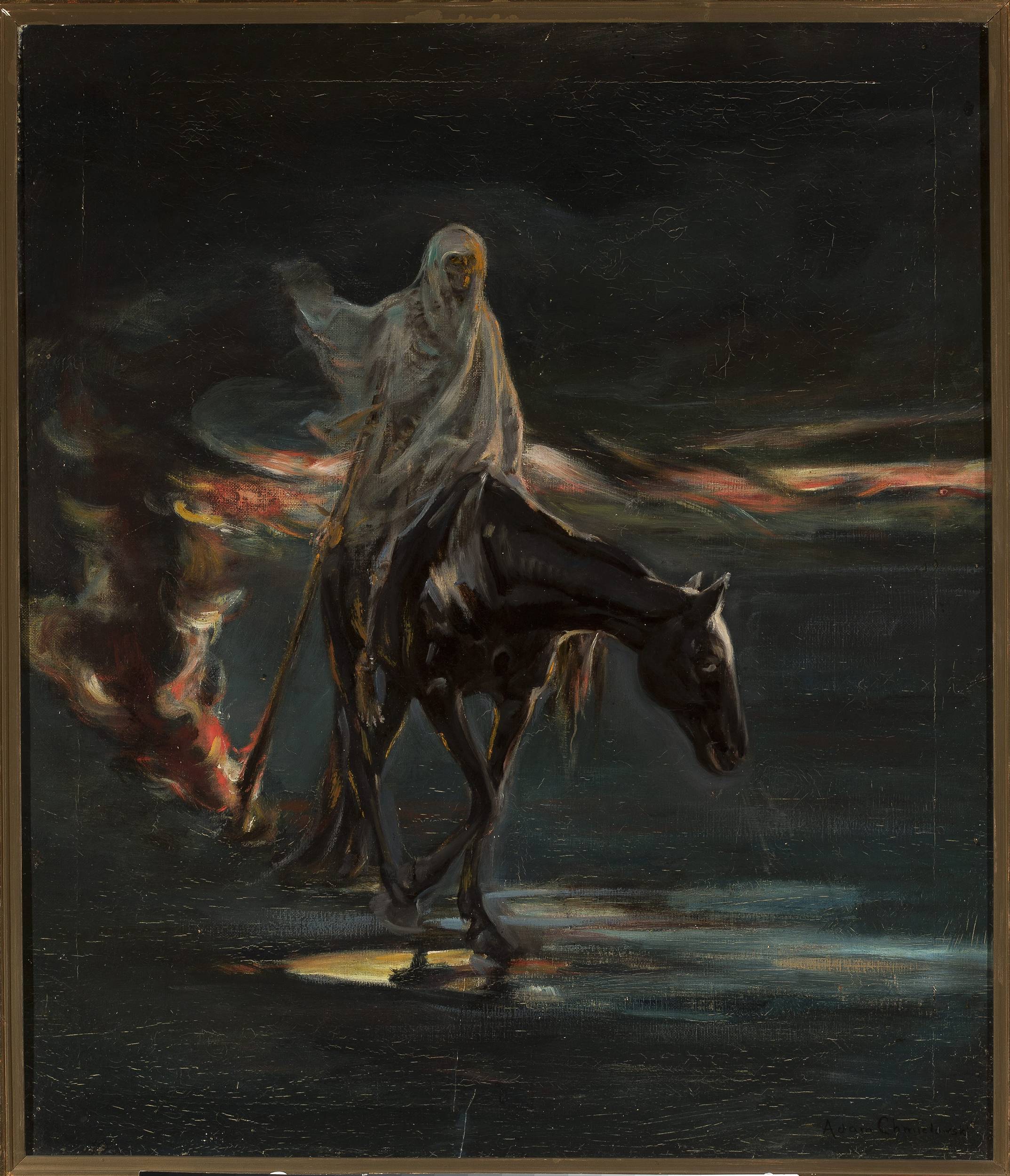
As an aside, some of Adam Chmielowski’s art is quite dark and hauntingly beautiful. Neither the movie nor the wikipedia article do his art any justice. I had to hunt around to find the more beautiful things he painted. And one of my favorite art pieces (of all time) is Death and Conflagration, the center part of a triptych, which shows what seems to be a cloaked skeleton on a horse, holding a lit torch, blowing fire and trailing smoke, forming a pursuing dragon. Not only is it aesthetically breathtaking to me, but it reminds me of the fleeting nature of this reality, and of our own comfortable lives.
Still frames
These stills are the most beautiful and representative of the tone and style of the movie that I could find and screenshot. Enjoy!